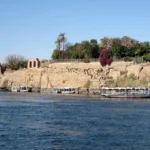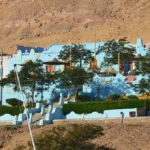
The Nubian Museum Aswan is the museum southern Egypt deserved. Built of warm local stone, it tells seven thousand years of Nubian history. It is calm, uncrowded and quietly moving.
What Will You Find Inside the Nubian Museum Aswan?
The story of Nubia, from prehistoric hunters to the villages lost beneath Lake Nasser. The museum opened in 1997 and sits on a hill in southern Aswan, close to the Old Cataract area.
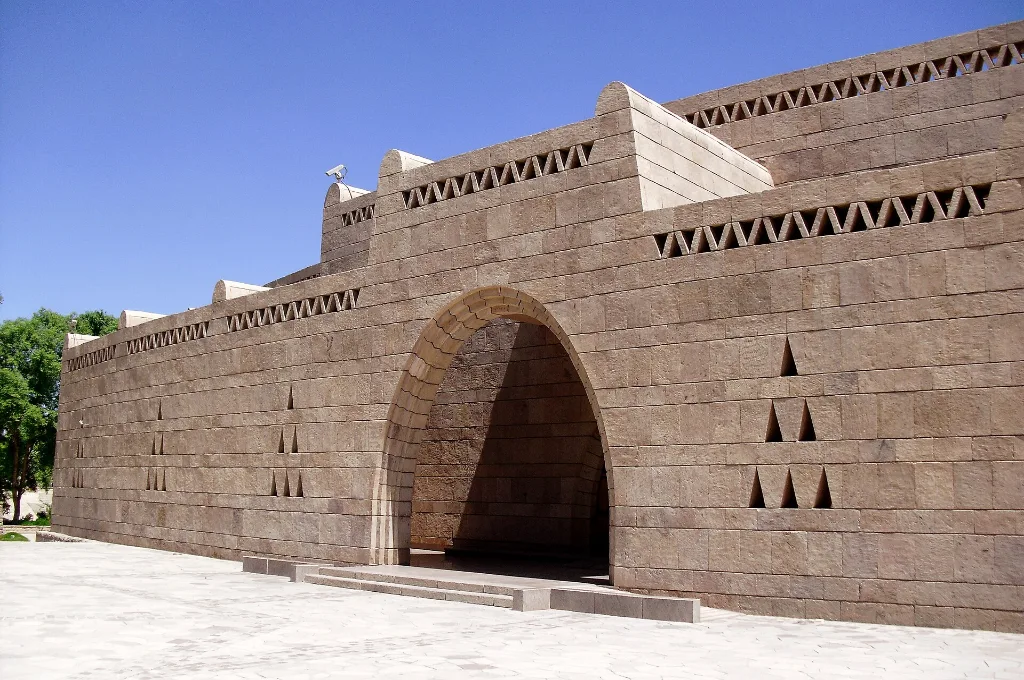
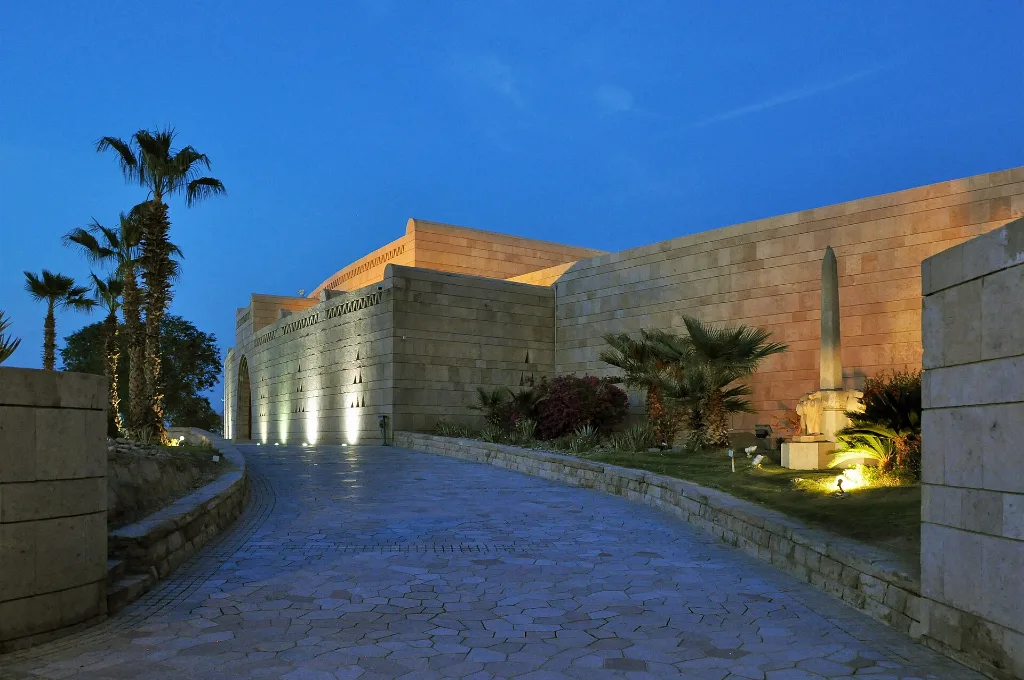
- The terraced, Nubian-style building won an Aga Khan Award for Architecture in 2001.
- Star pieces include a colossal quartzite Ramses II and statues of Kushite kings.
- The ethnographic wing preserves house models, jewellery and film of the drowned villages.
Why Does Nubia Deserve a Museum of Its Own?
Because Nubia is usually a footnote in Egypt’s story, and here it is the whole story. The galleries run in order. You meet prehistoric hunters first, then the gold-trading kingdom of Kerma.
Next comes Egypt’s push south. Then the reversal: the 25th Dynasty, when kings from Napata ruled the whole Nile as pharaohs. Christian Nubia’s painted churches and Islamic Nubia’s crafts follow.
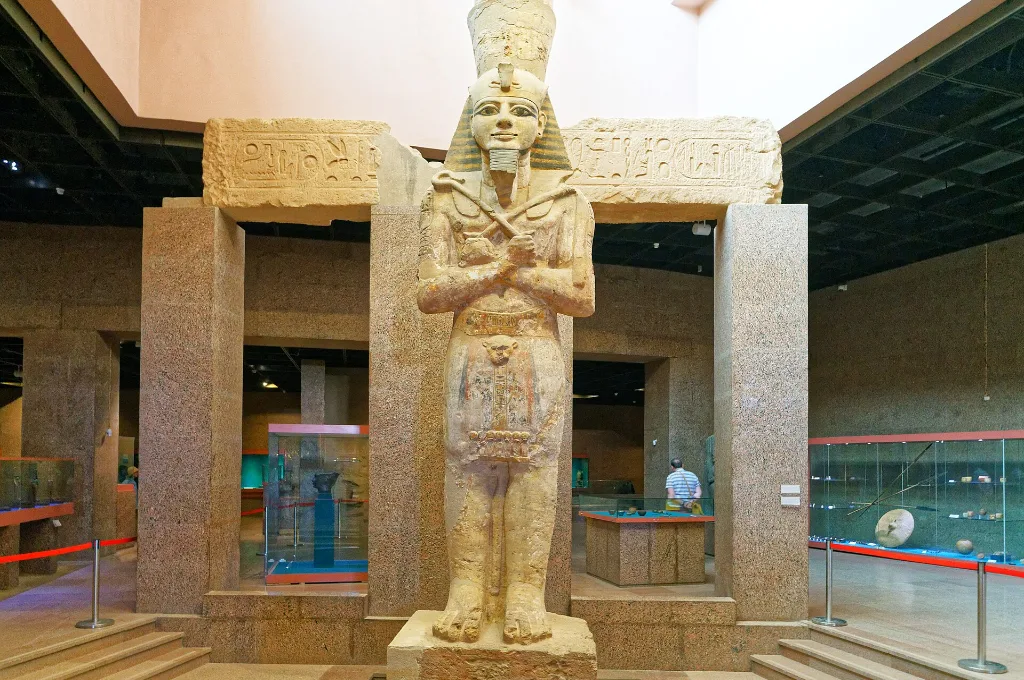
The colossal Ramses II came from the temple of Gerf Hussein, which now lies under Lake Nasser. Stand beside it and notice the scale. Then look for the Kushite kings nearby. They wore the double cobra crown and ruled Egypt as pharaohs, yet they came from the south.
Field tip: follow the galleries in order, so the timeline always runs the right way. Take water, because the garden loop is sunny.
How Did a Whole Nubian Culture Move Out Before the Water Rose?
With help from the world. The High Dam was going to flood Nubia, so UNESCO launched its salvage campaign and archaeologists raced to record and rescue what they could. The museum holds many of those finds. According to Archnet, it was later approved as a regional centre for museology and conservation.
One hall shows how Abu Simbel and Philae were saved, with photos and machines. It puts the temples you visit on other days into context.
Which Galleries Stay With Visitors Longest?
Most people remember the village room. Recreated house interiors, wedding dress, jewellery and music bring the lost homes to life. It is the moment history turns personal.
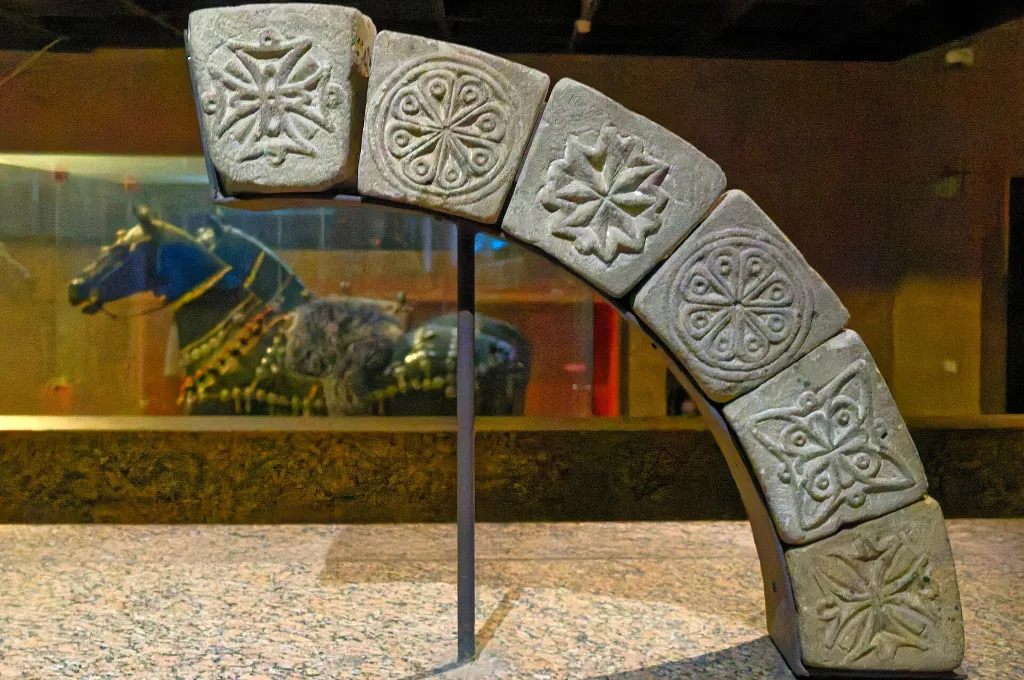
Expert tip: our guides slow down here and let the objects speak. Ask them to tell you about the people who carried Nubia with them to new land.
The Museum Garden
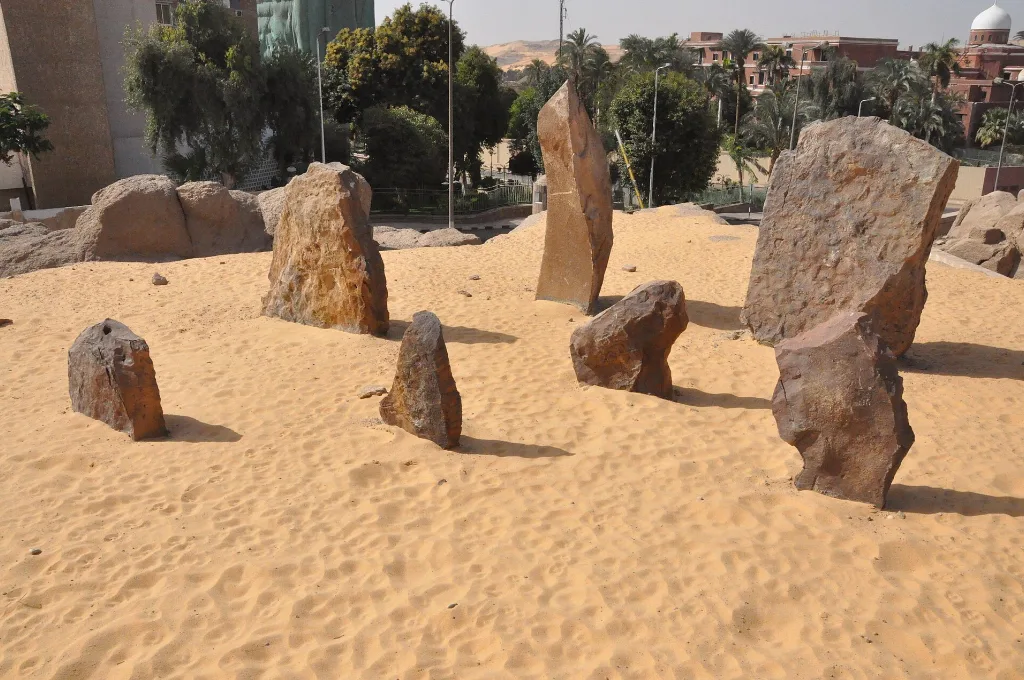
Don’t skip the outdoor loop. It adds a calm, open-air ending to the visit. The grounds cover about 50,000 square metres, with a channel that stands for the Nile, a cave chapel and prehistoric rock art. Stone pillars stand in a sandy garden like a quiet puzzle.
How Do You Plan a Visit to the Nubian Museum Aswan?
Allow one and a half to two hours. Late afternoon into evening works best, when the galleries are cool and the garden light turns gold. Check current opening sessions and prices before you go.
| Detail | What to know |
|---|---|
| Time needed | 1.5 to 2 hours, plus a garden loop |
| Best time | Late afternoon into evening |
| Location | Southern Aswan, near the Old Cataract area |
| Pairs well with | Unfinished Obelisk, Nubian village, a Nile dinner |
Want a guide who tells Nubia from the inside? Browse our Aswan tours and ask for the museum stop.
What Should You Pair It With in Aswan?
It sits close enough to combine with the Unfinished Obelisk. It is also the perfect prelude, or epilogue, to a Nubian village visit. History first, living culture after.
Museum, then dinner, then Philae and the dam the next morning is our favourite order. See our Aswan travel guide and our list of things to do in Aswan for the full picture. Heading north afterwards? Our Luxor tours continue the story, and the 7-day Egypt itinerary starts in Cairo.
Nubian Museum Aswan: Quick Answers
What is the best time of day for the Nubian Museum Aswan?
Late afternoon. The galleries are cool and the garden glows at sunset. An evening visit pairs nicely with dinner nearby.
Is the Nubian Museum good for children?
Yes. The outdoor garden, rock art and huge statues keep young visitors curious. The village models are a gentle way to explain Nubian life.
Why is the Nubian Museum building so special?
It copies traditional Nubian stone architecture with terraces and small triangular openings. It won an Aga Khan Award in 2001.
Which Nubian kings can you see at the museum?
Statues of Kushite rulers from the 25th Dynasty, including a son of King Shabaka. They show how Nubian pharaohs ruled Egypt.
Nubia, Told With Respect
The Nubian Museum Aswan gives the south its voice. Go in the late afternoon, stay for the garden and walk out understanding the people behind the villages. Tell us your dates and we will weave it into your Aswan days.